What Is an Egg Crate Making Machine?
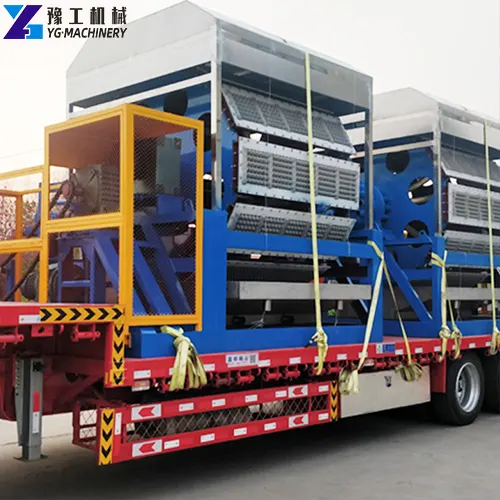
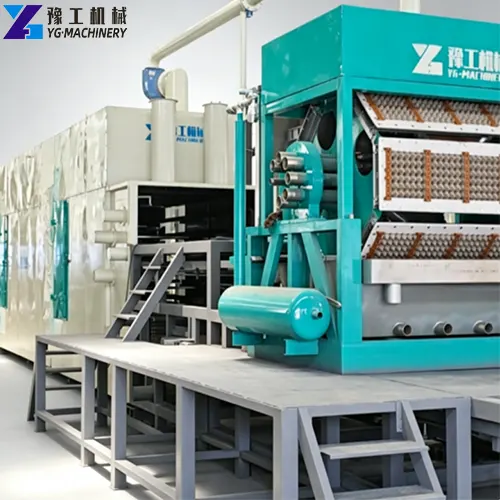
An egg crate making machine is a paper pulp molding production system used to manufacture protective packaging from recycled paper fiber. It is also known as a pulp molding egg tray machine, paper pulp egg tray production line, or egg carton making machine.
The system turns waste paper into pulp, forms wet products through vacuum molds, removes part of the water, dries the products, and prepares them for storage or delivery. Depending on the product and automation level, the line may include a hydrapulper, pulp tanks, agitators, forming molds, vacuum equipment, transfer systems, dryers, hot press equipment, stacking equipment, and packaging machines.
For egg farms, packaging suppliers, fruit exporters, and molded pulp manufacturers, this equipment can help build a more stable supply of paper-based protective packaging while creating value from available recycled paper.
If you are also looking to expand your business or considering investing in a new project, please contact us to obtain further professional information for your reference.
Customize Mold Design for Your Product – Request Now
YG Hot-sale Egg Crate Making Machine Technical Parameters
| Model | Capacity/H | Power/hour | Paper Consumption/H | Water Consumption/H | Dry System | Weight | Dimensions |
| (main machine) | |||||||
| YG-1500-4*1 | 1500pcs/h | 38kw | 120kg | 240kg | dry naturally | 3000kg | 2800*2200*1900 |
| YG-2500-3*4 | 2500pc/h | 55kw | 200kg | 400kg | multi-layer drying | 4000kg | 2900*1800*1800 |
| YG-3000-4*4 | 3000pcs/h | 60kw | 240kg | 480kg | multi-layer drying | 4800kg | 3250*1800*1800 |
| YG-4000- 4*8 | 4000pcs/h | 95kw | 320kg | 640kg | multi-layer drying | 7000kg | 3250*2300*2500 |
| YG-5000-5*8 | 5000pcs/h | 95kw | 400kg | 800kg | multi-layer drying | 8000kg | 3300*2300*2500 |
| YG-7000-6*8 | 7000pcs/h | 120kw | 480kg | 960kg | multi-layer drying | 10000kg | 3400*2300*2500 |
Get a Factory-Direct Quote on Egg Tray Machines


What Products Can It Make with Different Molds?
A major advantage of a paper pulp molding machine is its flexibility. By installing different molds, one forming machine can be adapted for various molded fiber products.
Possible products include:
- Egg trays for different egg sizes and cavity counts
- Egg cartons with lids or protective covers
- Egg crates and egg transport inserts
- Fruit trays for apples, pears, peaches, avocados, and other produce
- Cup carriers for beverage packaging
- Bottle trays and bottle separators
- Electronics or appliance protective inserts
- Industrial parts packaging
- Disposable molded pulp food packaging, where suitable material and hygienic process requirements are met
Which Drying Method Fits Your Production Plan?
Drying is not an optional detail. It is one of the most important decisions in an egg tray production line because it affects your usable capacity, factory layout, labor requirements, and operating costs.
Natural Sun Drying
Natural sun drying uses outdoor space, drying racks, open ground, or simple drying areas to remove moisture from wet products.
It may be suitable for customers who have:
- Dry and stable weather conditions
- Adequate open land
- Lower production targets
- Available labor for product handling
- A limited initial equipment budget
Natural drying can reduce the initial investment in a dedicated dryer. However, it is affected by rain, humidity, seasonal changes, outdoor contamination, drying space, and manual handling. It may not provide the same daily consistency as an enclosed drying line.
Brick Drying Line
A brick drying line is generally considered by customers who want less dependence on weather and a more organized production flow than outdoor drying.
It may be suitable for:
- Medium to higher production targets
- Customers with available land for civil construction
- Projects with an available heat source and ventilation plan
- Buyers who want to reduce outdoor drying dependence
A brick dryer requires early planning for construction, insulation, hot-air flow, fuel or heat source, ventilation, drainage, and site installation. It is not simply a machine purchase; it is part of a factory project.
Metal Multi-Layer Dryer
A metal multi-layer dryer is often selected for more continuous production and higher automation requirements. It uses a more compact, enclosed drying arrangement compared with large outdoor drying areas.
It may be suitable for:
- Higher-output egg tray production lines
- Projects with limited available land
- Customers seeking more stable drying conditions
- Production lines that require more continuous product flow
- Buyers with sufficient energy, maintenance, and automation budgets
A metal dryer can offer more controlled drying conditions and a more concentrated footprint. However, it typically requires a higher initial investment, reliable energy supply, proper maintenance planning, and suitable drying-process control.
Customize Mold Design for Your Product – Request Now


Aluminum vs Plastic vs Half-Aluminum Half-Plastic Molds
The mold is a central component of a pulp molded packaging machine. It affects product geometry, water drainage, cycle stability, demolding, mold maintenance, and the appearance of the finished tray.
YG can discuss aluminum molds, plastic molds, and half-aluminum, half-plastic molds based on your product type and investment plan.
Aluminum Mold
Aluminum molds are commonly considered for long-term production projects where stable product geometry, forming precision, and consistent appearance are important.
Possible advantages include:
- Good dimensional stability for suitable product designs
- More consistent tray or carton geometry
- Suitable for continuous production programs
- Potentially stronger wear resistance than some lower-cost alternatives
- Suitable for products with higher appearance or repeatability expectations
Aluminum molds generally involve a higher initial investment. Their selection should be based on product design, pulp type, vacuum conditions, production rhythm, and maintenance plan.
Plastic Mold
Plastic molds can be considered for customers with a limited initial budget, lower-output projects, trial production, or selected product designs.
Possible advantages include:
- Lower initial mold cost for some designs
- Lighter mold weight
- Easier handling in certain changeover situations
- Suitable for budget-sensitive projects where long-term heavy-duty operation is not the main requirement
Plastic mold performance should be evaluated carefully. Wear resistance, dimensional stability, service life, and final product consistency depend on the mold construction, pulp abrasiveness, operating cycle, vacuum system, cleaning practices, and production schedule.
Half-Aluminum Half-Plastic Mold
A half-aluminum half-plastic mold combines aluminum in key forming or load-bearing areas with plastic components in selected supporting sections.
This option may suit customers who want to balance:
- Initial mold investment
- Mold weight and handling convenience
- Durability in key forming areas
- Maintenance accessibility
- Product forming stability
- Budget control for specific product designs
It can be a practical compromise for suitable products, but it should not be presented as a universal replacement for fully aluminum or fully plastic molds. The final mold structure should be confirmed according to product geometry, pulp formulation, vacuum performance, production cycle, and required finish quality.
Check In-Stock Availability & Lead Time
How to Select the Right Egg Tray Production Line
Before requesting a quotation, prepare the information that determines whether an egg crate making machine fits your business plan.
Define Your Target Product
Send YG:
- Product photos, samples, drawings, or dimensions
- Product type: egg tray, egg carton, egg crate, fruit tray, cup carrier, bottle tray, or industrial insert
- Number of cavities or pockets
- Required product depth and stacking method
- Target market and packaging standard
Confirm Your Output Target
Tell us whether your target is measured in pieces per hour, pieces per day, or containers per month. Also confirm your planned daily operating hours and number of shifts.
Actual production output can vary because of mold quantity, product shape, pulp concentration, waste paper quality, vacuum efficiency, transfer method, drying conditions, operator experience, and finished-product quality requirements.
Review Raw Material Availability
Waste paper and cardboard are common raw materials, but not every paper source performs the same way.
Please consider:
- Local supply of waste paper or recycled cardboard
- Paper cleanliness and contamination level
- Fiber length and pulp quality
- Desired product color and surface appearance
- Water availability and water recycling plan
- Drainage and wastewater treatment requirements
A stable raw-material supply is as important as the machine itself.
Evaluate Drying Conditions
Tell YG about:
- Local weather and humidity
- Available land and factory space
- Labor availability and labor cost
- Fuel source, electricity supply, or other energy conditions
- Preference for natural drying, brick drying, or metal drying
- Required daily production stability
Decide Your Automation Level
A basic line may use more manual handling and natural drying. A more automated line may include automatic transfer, metal drying, hot pressing, stacking, and packing equipment.
The right level of automation depends on labor cost, output target, local technical support, maintenance ability, and investment budget.
Contact Engineer for Production Line Layout


Send Us Your Target Product, Daily Output and Drying Conditions
An egg crate making machine should be selected around your product design, output target, drying conditions, raw material supply, and factory resources—not only around a generic model name.
Send us your target product, daily output, and drying conditions so YG can prepare a more relevant technical proposal and quotation.
Please include:
- Product photo, sample, drawing, or dimensions
- Product type and cavity count
- Required daily output and planned operating hours
- Available waste paper or cardboard raw materials
- Local climate and humidity conditions
- Available land area and workshop size
- Water supply, drainage, and wastewater requirements
- Available electricity, fuel, or heat source
- Preferred drying method
- Preferred mold material: aluminum, plastic, or half-aluminum half-plastic
- Required automation level
- Destination country and port
- Expected purchasing timeline
Get a Custom Pulp Molding Line Proposal from YG Machinery for egg trays, egg cartons, fruit trays, and other paper-based protective packaging products.