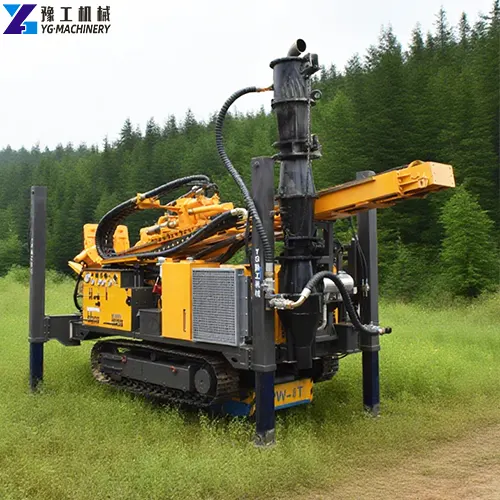
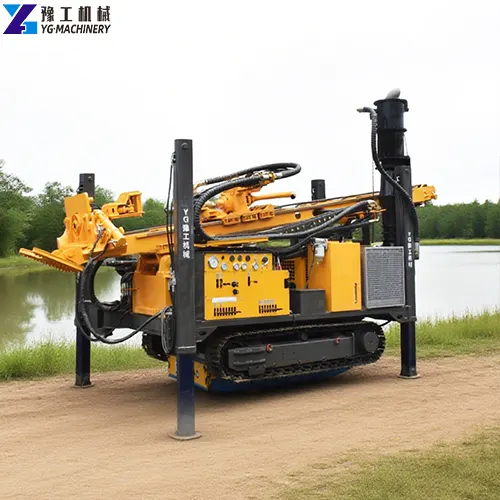
The reverse circulation drill rig is a highly efficient drilling equipment specifically designed for small and medium-sized enterprises. It’s easy to operate and highly efficient; even a middle school student can easily understand how to use it. Unlike traditional drilling equipment, it doesn’t require complex procedures or specialized technical knowledge; ordinary workers can operate it independently after simple training. Its main function is drilling, and it can meet drilling needs for various applications, including building foundation construction, geological exploration, water well drilling, and mining sampling. The most prominent feature of the reverse circulation drill rig is its fast drilling speed. Because it uses mud circulation, it can quickly remove soil and debris generated during drilling, preventing clogging and jamming, saving more than half the time compared to traditional drilling rigs. Its compact body and small footprint allow for flexible placement in narrow construction sites in cities or remote areas, and it’s easy to transport using ordinary trucks. The machine body is made of sturdy steel, making it wear-resistant and durable, capable of handling various geological environments, including soft soil, loose sand, and even hard gravel and rock layers. Furthermore, it can be flexibly combined with accessories; with small water well drilling rig accessories, it can be used for civil and agricultural water wells, and with full hydraulic core drilling rig accessories, it can be used for geological core sampling, making it a versatile and cost-effective solution. For small and medium-sized enterprises, choosing the reverse circulation drill rig can improve construction efficiency and reduce labor and equipment costs, making it the optimal choice for drilling operations. You can have efficient and easy-to-use drilling equipment without spending a fortune. Contact us now!
Get Factory Direct Pricing Today
YG Reverse Circulation Drill Rig Technical Parameter
| Model | YG150RC | |
| Drill rig weight(crawler mounted) | kg | 9000 |
| Engine Power | kW | 125 |
| Length × Width × Height (normal) | mm | 6750x2200x2950 |
| Ambient Temperature Range | °C | -10~38 |
| Drill Ability | ||
| Nominal Drill Depth | m | 150 |
| End-hole Diameter | mm | 110-250 |
| Drill angle | ° | -10-90 |
| Horizontal hole height | m | 1.85-2.8 |
| Drill head output | ||
| Max Output Torque | N.m | 8000 |
| Output Rotation Speed(continuity) | rpm | 30 / 60, 54/108rpm |
| Output Rotation Speed(interval) | rpm | 62 / 124105/210rpm |
| Feeding | mm | 3500 |
| Thrust Force | kN | 45 |
| Lifting Capacity | kN | 65 |
| Pipe-puller Device Output | ||
| Output Rotation Speed | rpm | 40 |
| Max Output Torque | N.m | 30000 |
| Hole-through Diameter | mm | 370 |
| Auxiliary Winch | ||
| Pull Force of the First Layer | kN | 11 |
| Rope Diameter | mm | 14 |
| Rope Capacity | m | 60 |
| Engine(Cummins) | 6BTA5.9-C125 | |
| Power | kW | 125 |
| Rotary Speed (Max.) | rpm | 2200 |
| Track Chassis Base | ||
| Walk Speed | Km/h | 1.2 |
| Unit Pressure | MPa | <0.05 |
| Climb Ability | ° | Drill rig weight(crawler-mounted) |
Get Factory Direct Pricing Today
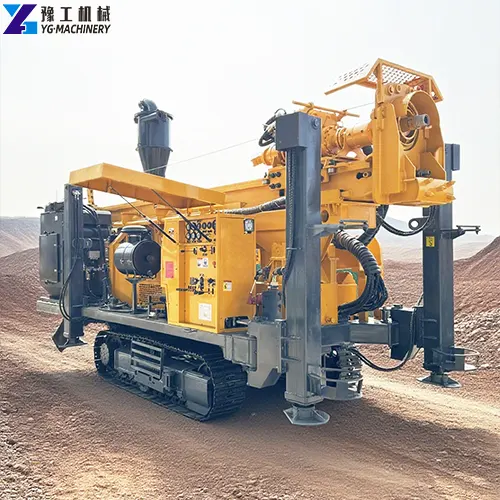
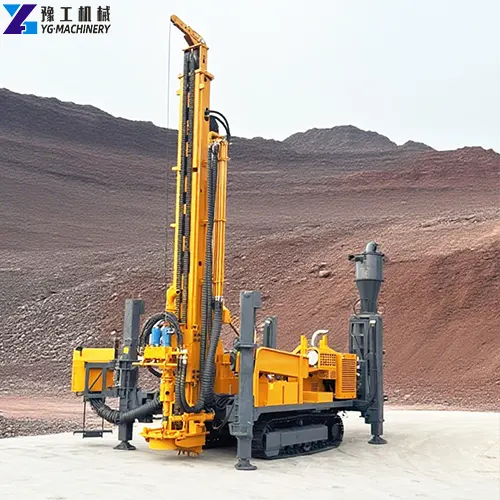
Features and Functions of the YG Reverse Circulation Drill Rig
- High-Efficiency Reverse Circulation Drilling: High-pressure mud circulation quickly removes rock cuttings, increasing drilling efficiency by 30%-60% compared to traditional forward circulation drilling rigs. For shallow to medium-depth drilling (10-80m), it can achieve an average daily drilling rate of 80-200m, significantly shortening construction cycles.
- Adaptable to Multiple Geological Conditions: Equipped with different types of drill bits, it can adapt to various geological conditions, including cohesive soil, sand layers, gravel layers, and moderately weathered rock layers, eliminating the need for frequent equipment changes and reducing investment costs.
- Intelligent and Precise Control: The integrated control panel with a high-definition display monitors drilling parameters in real time, allowing for precise control of drilling depth (error ≤5cm) and rotation speed (0-120 r/min adjustable), preventing drilling deviations.
- Energy Saving and Low Consumption: Optimized power system design results in low fuel consumption of 2.5-6 L/h, saving 20%-35% compared to traditional drilling rigs. This significantly reduces operating costs for small and medium-sized enterprises over the long term.
- Convenient Maintenance: Modular structure design allows for quick disassembly and replacement of key components. Maintenance and inspection ports facilitate easy daily cleaning and maintenance, reducing equipment downtime.
- Safety Protection: Equipped with safety devices such as overload protection, leakage protection, and emergency stop buttons, it effectively prevents equipment malfunctions and construction accidents, ensuring operator safety.
- Flexible Expansion: Can be combined with small water well drilling rig accessories as needed to achieve water well drilling functionality, providing multi-purpose use and increasing equipment utilization.
Get Factory Direct Pricing Today
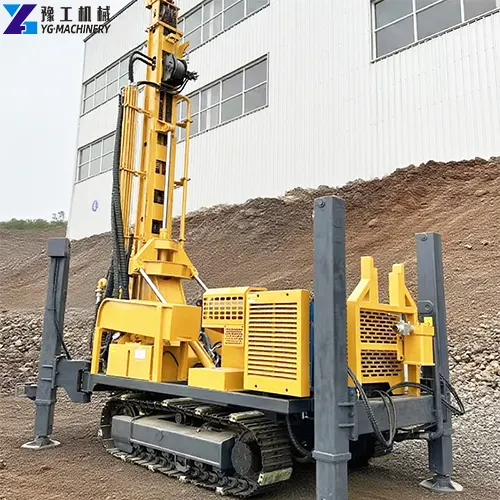
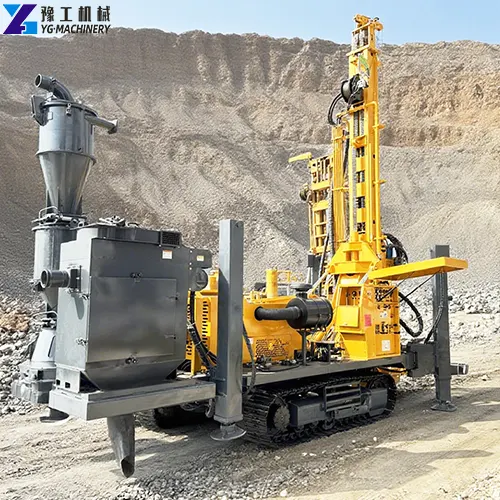
Case Study: Application of RC Drilling Machine by a Malaysian Small and Medium-Sized Geological Exploration Company
Client Background: Located in Kuala Lumpur, Malaysia, this company specializes in small and medium-sized geological exploration, primarily providing stratum detection and sampling services to local construction and mining companies. With over 20 employees, it is a typical small and medium-sized enterprise. Previously, the company used traditional direct circulation drilling rigs, facing problems such as low drilling efficiency, difficulty in removing cuttings, high equipment failure rates, and high maintenance costs. Especially when working in sand and gravel layers, frequent borehole blockages occurred, leading to extended construction periods and negatively impacting customer relationships.
Problems Faced:
- Low drilling efficiency of traditional drilling rigs; daily drilling depth in sand layers was only 50m, failing to meet customer deadlines.
- Difficulty in removing cuttings; accumulation of cuttings in the borehole easily led to borehole collapse, increasing rework costs.
- Complex equipment maintenance and high failure rate; monthly downtime for maintenance was no less than 3 days, affecting construction progress.
- Limited company budget; unable to afford the high purchase cost of imported high-end drilling rigs, requiring cost-effective equipment suitable for small and medium-sized enterprises.
- Construction sites were often in narrow areas, making it impossible for large drilling rigs to access; a compact model was needed.
Solution: Based on the client’s needs, we recommended a reverse circulation drill rig from YG (standard model, drilling depth 100m, diameter 100mm). This equipment is from the same source as the RC drilling machine the client had previously considered, sharing the same core technology, and is better suited to the budget and site requirements of small and medium-sized enterprises. Additionally, based on the sandy geological characteristics of Malaysia, the drill bit design was optimized, equipped with wear-resistant alloy drill bits to improve drilling wear resistance; the reverse circulation system was optimized to enhance slag removal efficiency and prevent borehole blockage.
Results: After the equipment was put into use, it perfectly solved the client’s core problems. The reverse circulation drill rig has increased drilling efficiency to an average of 120 meters per day, a 140% improvement compared to traditional drilling rigs, successfully shortening the construction period and meeting client deadlines. The reverse circulation slag removal system is highly efficient and stable, preventing borehole collapse and blockage in sandy formations, reducing the rework rate to 0. The modular maintenance design makes daily maintenance convenient, reducing monthly downtime to just one day and lowering the equipment failure rate to below 1%. The compact design allows easy access to narrow construction sites, adapting to various client work environments. The equipment purchase cost is only 50% of that of imported drilling rigs, fitting within the company’s budget. Furthermore, its low fuel consumption saves approximately $800 in fuel costs per month, resulting in significant long-term cost savings.
Client feedback: “The reverse circulation drill rig completely exceeded our expectations. Compared to traditional drilling rigs, the efficiency is significantly improved, slag removal is stable, and maintenance is very convenient. The price is also very affordable, making it ideal for small and medium-sized geological exploration companies like ours. Its operation logic is consistent with RC drilling machines, so our workers can quickly get the hang of it. It not only solved the problems of low construction efficiency and difficult maintenance, but also saved us a lot of money. We have already recommended it to other companies in the industry.”
Get Factory Direct Pricing Today
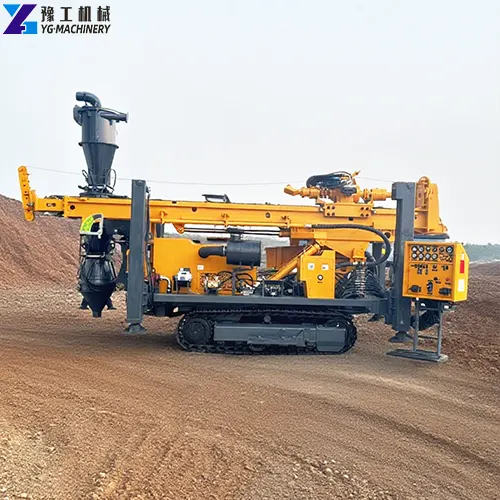
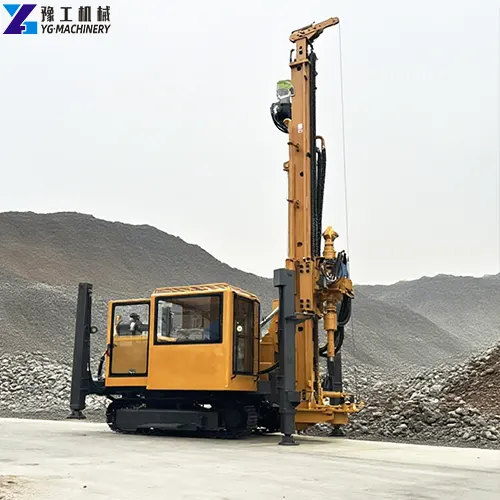
Reverse Circulation Drill Rig Drilling Efficiency Improvement Methods
- Matching Geology and Drill Bit: Use spiral drill bits for cohesive soil, carbide-tipped wear-resistant drill bits for sand and gravel layers, and alloy-reinforced drill bits for rock formations, switching power (22-75kW) as needed; when using small water well drilling rig accessories, select specialized water well drill bits to improve efficiency.
- Optimizing Reverse Circulation Parameters: Adjust the mud mixture ratio according to the geology before construction; during construction, adjust the mud pump flow rate to the optimal level through the control panel (60-80 m³/h for sand layers, 30-50 m³/h for rock formations); regularly clean the mud pool to prevent clogging and drilling stoppage due to poor slag removal.
- Standardizing Drill Pipe Operation: Clean the joints and apply sealing grease before connecting the drill pipes to ensure a tight connection; drill at a uniform speed (0.5-1 m/min for shallow to medium depths, 0.3-0.5 m/min for deep depths), and simultaneously check pipe connections during assembly to reduce connection losses.
- Adjusting Equipment Parameters: Adjust the rotation speed to 80-120 r/min and power to 22-45 kW for soft formations; adjust the rotation speed to 40-80 r/min and power to 45-75 kW for hard formations; when using a full hydraulic core drilling rig for core sampling, adjust the rotation speed to 30-60 r/min.
- Performing Daily Maintenance: Daily inspection of the power system, drill pipes, drill bits, and reverse circulation pipes; promptly replace worn parts and clear blockages; conduct regular comprehensive maintenance to control the annual failure rate to ≤5%, reducing downtime due to malfunctions.
- Optimizing Construction Process: 1-2 people work efficiently together, with one person operating the equipment and monitoring parameters, and another preparing spare drill pipes and drill bits and cleaning the site; level the site and accurately position the drilling rig before construction (error ≤5cm) to achieve continuous operation.